Empowering Your Journey: Essential Strategies for Cancer Care and Survivorship
Navigating the landscape of cancer care can feel overwhelming, especially when faced with a daunting diagnosis. Picture this: you’re sitting in the oncology office, waiting to hear the results of a biopsy, your mind racing with thoughts of the worst possible outcomes. It’s a scene played out far too often, yet in the depths of this uncertainty lies a world of empowering choices and effective strategies for patients and survivors. By focusing on patient support, mental health, and lifestyle changes, we can transform fear into a roadmap of recovery and survivorship. So, how do we begin this journey?
First, let’s talk about health education. Understanding your diagnosis, whether it’s a specific tumor type or a more generalized malignancy, can provide a sense of control. Knowledge is power, after all. Engage with your healthcare team and utilize health resources available to you. Whether it’s browsing through awareness campaigns around different types of cancer or reading up on clinical trials that are focused on innovative therapies, arming yourself with information opens doors. Have you ever considered that the most common symptoms you experience could lead to a breakthrough in your care plan?
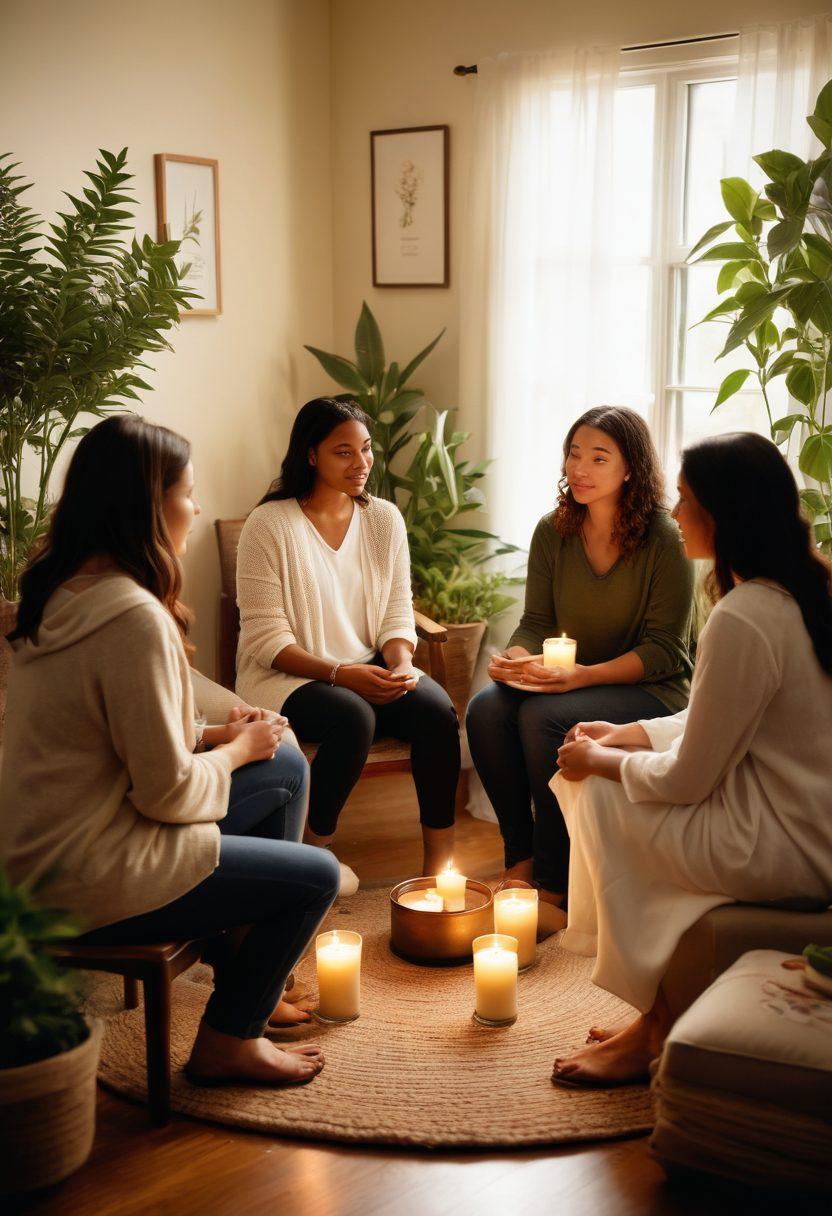
Community is one of the strongest pillars of cancer care and recovery. Connecting with others who are on a similar journey fosters a sense of belonging and support. Whether through support groups, social media, or local health initiatives, sharing stories and strategies can lead to invaluable insights and friendships. Imagine discussing your wellness strategies with someone who understands precisely what you’re going through. Plus, patient advocacy is crucial; raising your voice and sharing your experiences can help transform the healthcare landscape for future patients.
Nutritional support is another key element in navigating cancer care. Eating well doesn’t just fuel your body; it influences your mental health and recovery journey. Consider incorporating fresh, whole foods into your diet, and limit processed options, as these can make a difference in maintaining your strength and managing symptoms. Mindfulness practices, such as meditation and yoga, can also play an essential role in reducing stress and enhancing your overall well-being. Have you taken a moment today to breathe deeply and reflect on your personal victories?
Lastly, let’s not forget about preventative care and palliative care. This approach emphasizes quality of life, advocating for regular screenings and check-ups, while also addressing any pain or discomfort that may arise. As you embark on this journey of survivorship, remember that every small step contributes to a larger goal — your well-being. In a world where secondary cancer can loom threateningly, finding empowerment and hope through strategic planning and informed choices makes all the difference. How have you taken charge of your cancer care journey today?
The Power of Support: Building a Community for Cancer Recovery and Wellness
Imagine standing at the edge of a daunting cliff with the vast ocean below, waves crashing against the rocks, and the gust of wind tangling your hair. This metaphorical cliff represents the journey of a cancer diagnosis, where uncertainty looms and emotions fluctuate wildly. But here's a comforting truth: while this journey can feel isolating, the power of support in building a community around cancer recovery and wellness is unmatched. In the vast landscape of oncology, a supportive network transforms the experience, fostering resilience and empowerment during the fight against malignancy.
The journey through cancer care is often riddled with overwhelming challenges. From dealing with symptoms to navigating palliative care options, patients find themselves adrift in a sea of uncertainties. One powerful antidote to this isolation is connecting with others who are undergoing similar experiences. How can we build this supportive community? Through patient support groups, awareness campaigns, and health education initiatives that emphasize the importance of sharing stories and insights. By opening the doors to vulnerability, individuals can create an emotional tapestry that intertwines experiences of fear, hope, and triumph, ultimately enhancing recovery transitions.
Did you know that community support has been shown to improve the prognosis for cancer survivors? Engaging with others can provide emotional sustenance and tangible resources, like nutritional support and access to clinical trials. Consider a local support group where members can share wellness strategies or lifestyle changes that have worked for them. The conversations that emerge from these gatherings can spark ideas for preventative care, provide guidance on therapies, and offer a roadmap to psychological recovery. Think of it as a potluck, where everyone brings a dish of knowledge to the table, enriching one another’s journeys.
As we navigate through the intricacies of survivorship, mindfulness comes into play as a crucial element in a support structure. Mindfulness practices, such as meditation or yoga, can help mitigate mental health symptoms that often arise during recovery. Imagine being able to process your emotions and thoughts in a way that doesn't just focus on the cancer you've fought but embraces the vibrant life ahead. Incorporating mindfulness techniques and sharing these practices within your community not only promotes personal growth but empowers others to tap into their inner strength as well. What small steps can you take today to integrate mindfulness into your daily life?
Lastly, it's essential to remember that everyone’s journey is unique. While some may find solace in engaging with community resources, others may look to personal avenues for empowerment. The importance of patient advocacy relates to discovering what works best for you in alignment with your recovery needs. As you explore various health resources and connect with fellow travelers in your journey, ask yourself: What kind of community do I want to actively contribute to? Building this network not only enhances your recovery but strengthens the overarching fight against cancer for everyone involved. Together, we create a resilient tapestry of support and hope—one that can inspire future generations in their own battles against malignancy.
From Diagnosis to Survivorship: Essential Tools for Empowering Your Health Journey
Imagine waking up one day and hearing the words that change your life forever: ‘You have cancer.’ It’s a moment that starts an intricate tapestry of feelings, questions, and fears about the future. The journey from diagnosis to survivorship is often fraught with uncertainty, but it can also be a time of empowerment, equipped with the right tools and resources. Recognizing the importance of patient support and health education transforms your experience from one of passivity to active participation. This isn’t just a story of survival; it’s about taking charge of your health journey, navigating the complexities of cancer care, and crafting your own narrative of strength.
What do you think about when you hear the word ‘cancer’? Is it the distress associated with advanced malignancy, or do you envision hope through clinical trials and innovative treatments? Understanding your options is crucial, especially when confronting oncology challenges like tumor progression or the threat of secondary cancer. Empowering yourself begins with knowledge, and being proactive about health education can unveil a spectrum of resources—from therapeutic strategies to recovery techniques. Are you ready to explore this landscape together, and ask critical questions about your prognosis and care options?
Throughout the cancer care journey, the significance of community and patient advocacy cannot be overstated. Surrounding yourself with supportive networks enables a sharing of experiences and resources that nurture mental health. Join awareness campaigns and connect with others who can offer informed insights on preventative care and wellness strategies. When you engage with those who have walked a similar path, you create a safety net that fosters emotional and psychological resilience. Each shared story becomes a beacon of hope, lighting the way for others who are navigating the treacherous waters of cancer care.
As you begin to embrace lifestyle changes—be it through nutritional support, mindfulness practices, or tailored therapies—you provide your body with the tools it needs to thrive post-diagnosis. Consider this: can the foods you eat or the thoughts you think actually affect your recovery? Absolutely! Making conscious choices about your diet and mental well-being contributes significantly to your overall survivorship. The mind-body connection is potent, and a healthier lifestyle can help you reclaim your vitality and embrace your new normal with open arms.
In the end, the journey from diagnosis to survivorship is not just about surviving; it’s about cultivating a life filled with purpose and passion. Equip yourself with knowledge, surround yourself with a strong support system, and actively seek health resources that resonate with you. Embrace mindfulness, prioritize mental health, and stay informed about the latest advances in cancer therapies. Remember the words of Mahatma Gandhi: ‘Strength does not come from physical capacity. It comes from an indomitable will.’ You possess that will! You are not defined by your cancer but empowered by your fight. What empowering steps will you take on your health journey today?